


In my previous post, you learned what trading is. Now, we’re zooming into forex, one of the biggest markets in the world. Forex can seem confusing at first, especially the idea of trading one currency against another. I remember feeling puzzled about it, too. But don’t worry, it’s actually logical once broken down.
What Is Forex Trading?
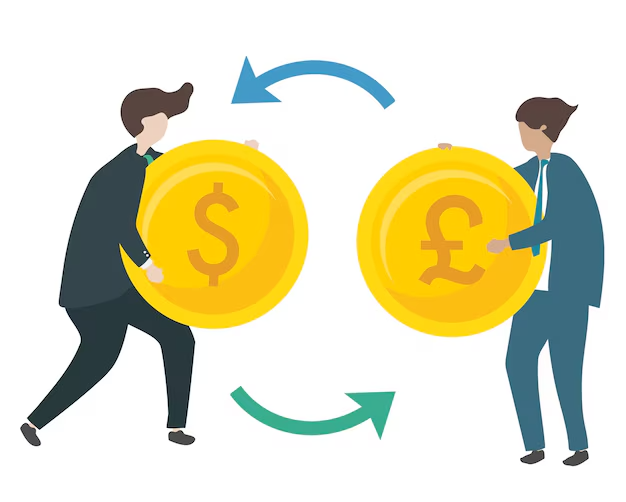
Forex, short for Foreign Exchange, involves trading one currency against another. This always happens in pairs, like EUR/USD or USD/JPY. When you trade, you’re essentially comparing the value of one currency to another.
Understanding Currency Pairs
To grasp how forex trading works, it’s crucial to understand currency pairs.
Base Currency
The first currency in the pair is known as the base currency.
Quote Currency
The second currency is the quote currency. For example, in the pair EUR/USD = 1.10, 1 Euro is worth 1.10 USD. If the price goes up, it means the base currency (Euro) is getting stronger. Conversely, if the price goes down, the base currency is weakening.
How You Make Money in Forex
Making money in forex is simple and logical. You can either buy or sell a currency pair.
- Buy: You expect the price to go up.
- Sell: You expect the price to go down.
For instance, if you buy EUR/USD, you believe the Euro will rise. If you sell EUR/USD, you think the Euro will fall. The beauty of forex is that you can profit in both directions.
What Moves Forex Prices?
Understanding what influences forex prices is essential. Prices are affected by:
- Supply and demand
- Interest rates
- Economic news
- Market sentiment
These factors influence traders’ decisions, leading them to place orders that move the price.
What Is a Pip?
A pip is the smallest price movement in forex. For example, if EUR/USD moves from 1.1000 to 1.1001, that’s a change of 1 pip. It’s a straightforward concept that helps you measure price changes without overcomplicating things.
What Is Lot Size?
Lot size determines how much you are trading. There are typically three types:
- Standard lot: 100,000 units
- Mini lot: 10,000 units
- Micro lot: 1,000 units
Remember, a bigger lot means bigger risk and reward.
What Is Leverage?
Leverage is a crucial concept in forex trading. It involves borrowing money from your broker to control a larger position. For example, with $100, you could control $1,000 in the market. However, it’s important to note that leverage increases both potential profit and potential loss.
Read more about Pip, Lot, and Leverage
How Forex Trades Are Executed
When you place an order, your broker executes it, and the market matches buyers and sellers. Everything happens electronically in mere milliseconds, highlighting the efficiency of the forex market.
Why Forex Is Popular
Forex has gained popularity for several reasons:
- It operates 24 hours a day.
- There is high liquidity, meaning you can buy and sell easily.
- It offers easy access, even for small capital investments.
Common Beginner Mistakes in Forex
As a beginner, it’s essential to be aware of common pitfalls:
- Overleveraging your trades
- Not using stop-loss orders
- Trading without understanding currency pairs
- Expecting quick money without a strategy
Final Thoughts
Forex trading is not complicated; it’s just unfamiliar. Once you understand its structure, it becomes logical. Focus on gaining knowledge before diving into strategies.

2 Comments