



If you’re starting your trading journey, you’ve probably heard this advice:
“Start with a demo account.”
And it’s good advice.
But here’s the truth most people don’t tell you:
Demo trading and live trading are not the same.
Understanding the difference early can save you from frustration and unnecessary losses.
What Is a Demo Trading Account?
A demo account is a simulated trading environment.
It allows you to:
- trade with virtual money
- use real market prices
- practice without financial risk
In simple terms, it’s a training ground.
You can:
- learn how trading platforms work
- test strategies
- make mistakes safely
Why Demo Trading Is Important
Demo accounts are especially useful for beginners.
They help you:
- understand how trades are placed
- learn concepts like pips, lot size, and leverage
- get comfortable with platforms like MT4 or MT5
Most importantly:
You can lose money without actually losing money.
What Demo Accounts Do Well
Demo trading is great for:
Learning the Basics
You can understand how buying and selling work without pressure.
Testing Strategies
You can try different approaches and see what works for you.
Platform Familiarity
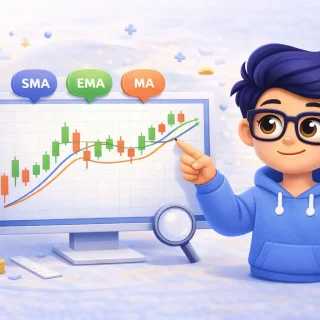
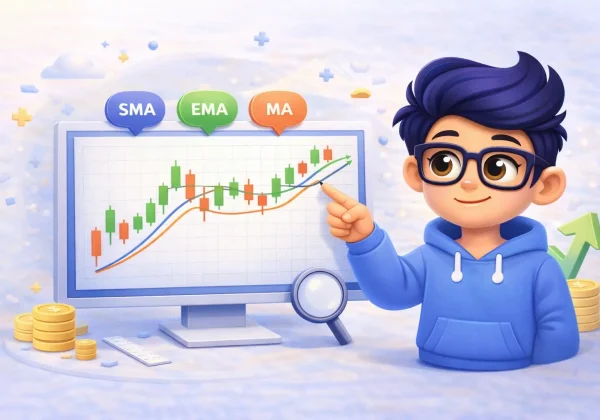
You learn how to use charts, tools, and indicators available on the platform. Maybe you might be able to even make your own combinations if you are smart enough.
The Problem With Demo Trading
This is where things get real.
Demo trading does not prepare you for everything.
Why?
Because there is something missing:
Emotion.
The Psychological Difference
When you trade with demo money:
- There is no fear
- There is no stress
- There is no real consequence
But when you switch to real money:
- Every loss feels personal
- Every decision feels heavier
- Emotions start influencing your actions
This is where many beginners struggle.
Why Traders Perform Worse on Live Accounts
It’s common to see this pattern:
- Someone does well on the demo
- Switches to live
- Starts losing
Not because their strategy is bad,
But because their behavior changes.
Common issues:
- Closing trades too early
- holding losses too long
- overtrading
- increasing the lot size unnecessarily
Execution Differences (What Most People Ignore)
There can also be technical differences:
- Slight delays in execution: some of your trades might not be executed fast enough
- Slippage (price changing before execution): Due to some delays which may occur, prices might change before your trades even go through, these changes can sometimes be insignificant but in worse days they may hurt you depending on your strategy)
- Spread variations: In demo spreads tend to be lower but in live, they might be higher or vary based on time or day or even the volume of trades that day. It all depends on the broker
These are small, but they matter especially in live trading.
When Should You Move to a Live Account?
There’s no perfect moment, but a good guideline is:
You should move to live trading when:
- You understand the basics
- You can follow a simple strategy
- You can manage risk properly
- You are consistent on the demo
Start small.
Very small.
Very Very Very Small or else you might lose your wives hair money or your school(This happened to a friend of mine) or your lives savings.
How to Transition From Demo to Live Safely
This step is important.
1. Start with a Small Capital
Don’t jump in with a large amount.
2. Use Small Lot Sizes
Focus on learning, not making money. Don’t chase unrealistic profit.
3. Expect Emotions
You will feel different that’s normal. You will angry, you’ll cry, you’ll laugh and shout, these are all normal.
4. Stick to Your Plan
Treat it like a demo, but with awareness.
Should You Skip Demo Trading?
No.
Skipping demo trading is like:
learning to drive without practice.
Even though the demo is not perfect, it still plays an important role in building your foundation.
Final Thoughts
Demo trading is a tool, not the goal.
It helps you:
- understand how trading works
- build confidence
- test your ideas
But real growth happens when you learn to handle:
- risk
- discipline
- and emotions
That’s what separates demo traders from real traders.
👉 Next: The Pros and Cons of Day Trading vs Swing Trading or Popular Brokers to Check Out


5 Comments